

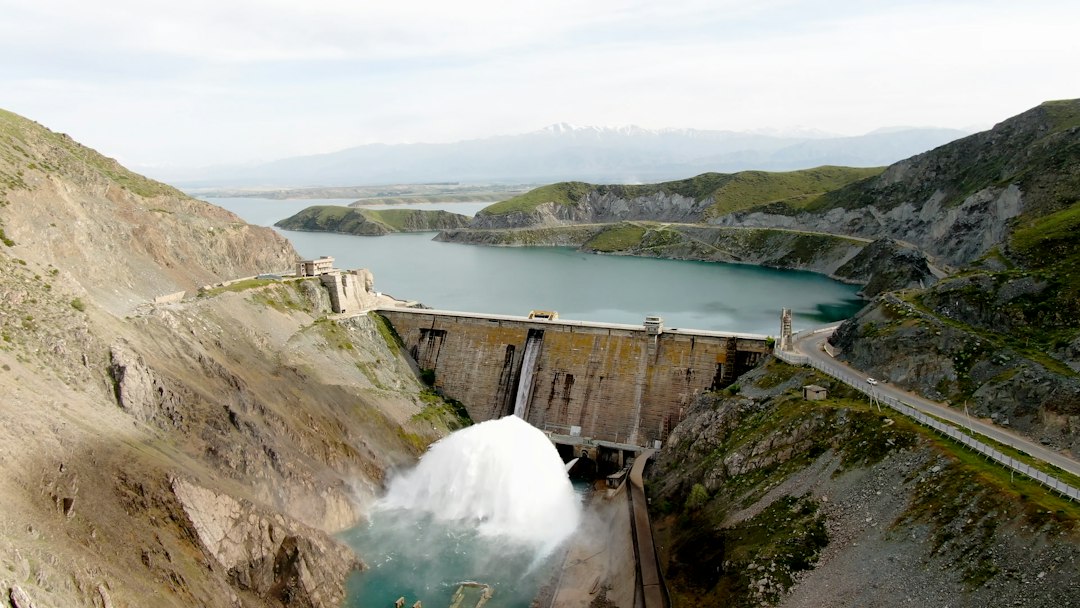
Water entered construction areas at the Tarbela Fifth Extension Hydropower Project on 9 November after a weak rock mass collapsed during excavation work. The incident led to an emergency response and a suspension of construction activity while officials assess the site. It has also raised an important question for the public: did Tarbela Dam itself suffer structural damage, or was the incident confined to the under-construction power project?
Based on the statement attributed to the Water and Power Development Authority (WAPDA), the available information points to water entering the T-5 construction tunnel and powerhouse work area. WAPDA said the main tunnel, under-construction powerhouse, tailrace culvert and switchyard had not been damaged. That is a significant distinction from claims circulating online that the main dam or an operating tunnel had collapsed.
What happened at the T-5 site?
WAPDA’s statement said that a weak rock mass collapsed during excavation of the second-bench connecting tunnel. Water from the intake pit then entered the tunnel and powerhouse area. The authority said water in the intake pit had been drained and no further water was entering downstream work sites; dewatering of the under-construction powerhouse had begun.
Haripur Deputy Commissioner Waseem Ahmed said workers were moved to safety by the administration and rescue agencies. One Pakistani worker was swept into the water and rescued. Officials reported no fatalities. The deputy commissioner said construction and development work had been suspended indefinitely and that a high-level inquiry would examine the cause of the breach.
What is the difference between the dam and the T-5 work area?
Tarbela is a large multipurpose dam on the Indus River. The T-5 project is an extension being built to use Tunnel No. 5 for additional hydropower generation. Several different structures are involved, and a problem in a construction work area does not automatically mean the dam wall or an operating power unit has failed.
| Term | What it does | What is known about 9 November |
|---|---|---|
| Intake pit | Controls or conveys water towards the tunnel system. | WAPDA said water from this area entered the work site and was drained. |
| Connecting tunnel | Links project components as part of the water route to the power facilities. | The incident occurred during excavation of a connecting-tunnel section. |
| Powerhouse | Houses generating equipment that converts water energy into electricity. | Water entered the under-construction powerhouse area; dewatering began. WAPDA said the structure was not damaged. |
| Tailrace and switchyard | The tailrace returns water downstream; the switchyard connects generated electricity to the grid. | WAPDA said neither the tailrace culvert nor the switchyard was damaged. |
| Main Tarbela Dam | Stores and regulates Indus water for several purposes, including irrigation and power generation. | The available statement did not report a failure of the main dam. |
Why the T-5 project matters to electricity supply
The extension is designed to add 1,530 megawatts of installed hydropower capacity through three generating units of 510MW each. WAPDA’s project information says the extension is intended to increase Tarbela’s installed generation capacity from 4,888MW to 6,418MW after completion.
That planned increase is substantial: 1,530MW is about 31 per cent of the existing 4,888MW installed capacity. This is a calculation from WAPDA’s stated figures. It describes nameplate capacity, not a guarantee that the plant will produce that amount at every hour. Hydropower output depends on water availability, operating conditions and the performance of the generating units.
There is also an important point for electricity consumers: T-5 is still under construction and was not contributing its planned 1,530MW to the grid before this incident. Therefore, the construction-site flooding should not be described as the loss of 1,530MW of electricity currently being generated. The immediate concern is the safety of the work site, the condition of project components and the effect on the construction schedule.
What the incident could mean for the project timeline
WAPDA’s January 2026 progress update reported that the project was 56 per cent complete and that the first generating unit was scheduled to begin generation in April 2027. That was a schedule stated before the latest incident. With work now suspended pending assessment, the project authorities will need to explain whether the incident changes the sequence of construction, commissioning or the planned start of generation.
It would be premature to predict a new completion date or a cost increase before the inquiry and engineering assessment are complete. The duration of the suspension will depend on the cause of the collapse, the condition of the excavated area, the safety of the remaining work fronts and the measures required before construction can resume.
What the technical inquiry should establish
A useful inquiry should do more than identify the immediate point where water entered. It should establish the sequence of events and whether the site’s geological conditions, excavation method, temporary water-control arrangements or monitoring systems contributed to the incident. These are questions for engineers and investigators; the cause should not be guessed from photographs or short video clips.
The assessment should also clarify the condition of the connecting tunnel, intake pit, powerhouse, electrical equipment and nearby work areas. If repairs or additional protection are required, the project authority should explain the scope and how the work will be independently checked before workers return.
What the public should—and should not—conclude
- Confirmed: water entered the T-5 construction work area after a rock mass collapsed during excavation.
- Confirmed by the reported WAPDA statement: water was drained from the intake pit, dewatering began and the authority reported no damage to the named main project structures.
- Reported by the district administration: workers were evacuated, one worker was rescued and no fatalities were reported.
- Not established: the precise engineering cause, the full repair requirement and the revised construction timetable.
- Not supported by the available statement: claims that the main Tarbela Dam wall or an operating power tunnel collapsed.
The next update that matters is a clear engineering assessment from WAPDA, followed by a revised work and commissioning schedule if the incident affects the project. The public needs accurate information about the condition of the structures and the safeguards required before work resumes—not speculation about a dam failure.
Official project information: WAPDA’s Tarbela 5th Extension project update.