

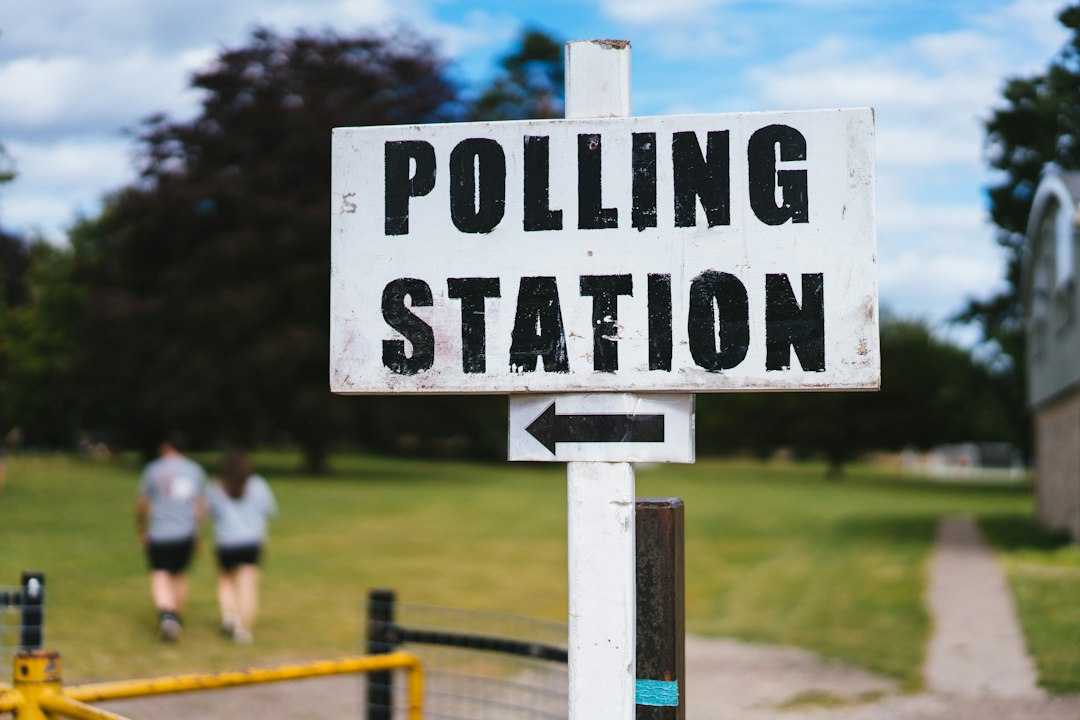
Khyber Pakhtunkhwa’s local government election process has been put on hold across the province, leaving voters and prospective candidates without a new polling date. The Election Commission of Pakistan (ECP) suspended the remaining preparations on 5 November 2026 after the federal government extended the suspension of Article 140-A of the Constitution to the rest of the province through Order No. 3/2026, issued on 4 November.
The development is important because local governments are the level of elected representation closest to many everyday services. It also changes the position only days after the ECP had directed preparations to move ahead in districts where delimitation had been completed. The terms of the previous KP local bodies had already expired in two phases, in March and June 2026, so the new halt extends a period without elected local councils. The commission has not announced a replacement date for KP.
What happened, and when?
| Date | Development |
|---|---|
| 11 October 2026 | An emergency was proclaimed in KP and governor’s rule was imposed under the federal government’s stated constitutional framework. |
| 28–29 October | The ECP directed preparations for local government elections in districts where the delimitation process had been completed, while excluding districts already covered by emergency measures. |
| 4 November | Federal Government Order No. 3/2026 extended the suspension of Article 140-A to the remaining districts of KP. |
| 5 November | The ECP reviewed the order and suspended all remaining steps for local government elections in the province until further orders. |
The sequence is important. The ECP’s earlier preparations were not cancelled because it announced a new polling date or because it reported that delimitation had failed everywhere. The immediate reason given for the halt was the federal order extending the suspension of the constitutional provision on which the commission said the local election process depended.
What does Article 140-A say?
Article 140-A has two central parts. First, each province is required to establish a local government system by law and devolve political, administrative and financial responsibility and authority to elected local representatives. Second, elections to local governments are to be held by the Election Commission of Pakistan.
In practical terms, the article connects elected local representation with the constitutional responsibility to conduct local polls. The precise powers of a municipal or district body still depend on the relevant provincial legislation, rules, budgets and the way responsibilities are devolved. Article 140-A does not mean that every local council in every province has identical powers.
Why the ECP stopped preparations
After reviewing Order No. 3/2026, the ECP concluded that it could not proceed with local government elections in the remaining districts under the prevailing constitutional arrangement. It therefore stopped all steps taken so far for the KP polls until further orders.
This is the commission’s stated operational position. It should not be confused with a final judicial ruling on whether the federal order or the suspension of Article 140-A is constitutionally valid. Any court proceedings or subsequent federal decisions could affect the legal position. As of 8 November, the ECP has not announced a new election schedule for KP.
Why local government elections matter beyond politics
Local councils can influence how neighbourhood and municipal services are planned, funded and monitored. Depending on provincial law, those responsibilities may include local roads, street lighting, sanitation, water and drainage, markets, local development schemes and community facilities.
When elected local institutions are absent, residents may find it harder to identify which representative is responsible for a local problem or how a development priority should be raised. Administrative departments and provincial authorities continue to function, but that is not the same as an elected local council with a defined public mandate.
The practical impact varies by district and service. A town with functioning municipal staff may continue routine work, while decisions about local priorities, budgets and political accountability can remain more distant from residents. It would be inaccurate to claim that every public service has stopped because election preparations have been suspended.
What should voters and prospective candidates do now?
- Do not rely on old polling expectations: the ECP has not issued a new KP local government polling date.
- Keep voter information current: check your electoral registration through the ECP’s official voter information service.
- Preserve documents already prepared: keep any copies of nomination-related documents, but wait for a formal election programme before filing or spending on campaign arrangements.
- Watch for formal decisions: the next relevant development could be a withdrawal or change to the federal order, a court decision, or a fresh ECP announcement.
- Use the right complaint channel: for municipal service issues, contact the responsible local or provincial department; an election delay does not remove ordinary complaint procedures.
How KP compares with Punjab
The position is different in Punjab. The ECP has fixed 7 February 2027 for the first phase of local government elections there, after considering the provincial government’s request to schedule polling after the peak winter-fog period. KP has no new date because preparations have been suspended until further orders.
Verity Pakistan’s separate guide to Punjab’s first-phase local government election date and the earlier KP polling position explains the Punjab timetable. The two provinces should not be treated as if they are following one national local-election schedule.
What happens next?
The immediate question is whether the constitutional and administrative conditions cited by the ECP change. If the federal order is withdrawn or modified, or a court issues a relevant decision, the commission may need to reassess the election process. Until an official schedule is issued, there is no confirmed date on which KP voters should expect to cast ballots for local councils.
For residents, the most useful approach is to separate three issues: the current legal status of Article 140-A, the ECP’s decision to halt preparations, and the continuing operation of everyday local services. They are connected, but they are not the same thing.
Constitutional text: Constitution of the Islamic Republic of Pakistan, published by the National Assembly.