

Pakistan’s federal government announced on 26 October that it had fixed the wheat price at Rs4,500 per maund after consultations with provincial governments, alongside a National Wheat Policy and a plan to maintain strategic reserves of up to six million metric tonnes. The announcement is significant for farmers planning wheat production and for policymakers concerned with food availability, but the practical impact depends on implementation and the way provincial procurement and market arrangements operate.
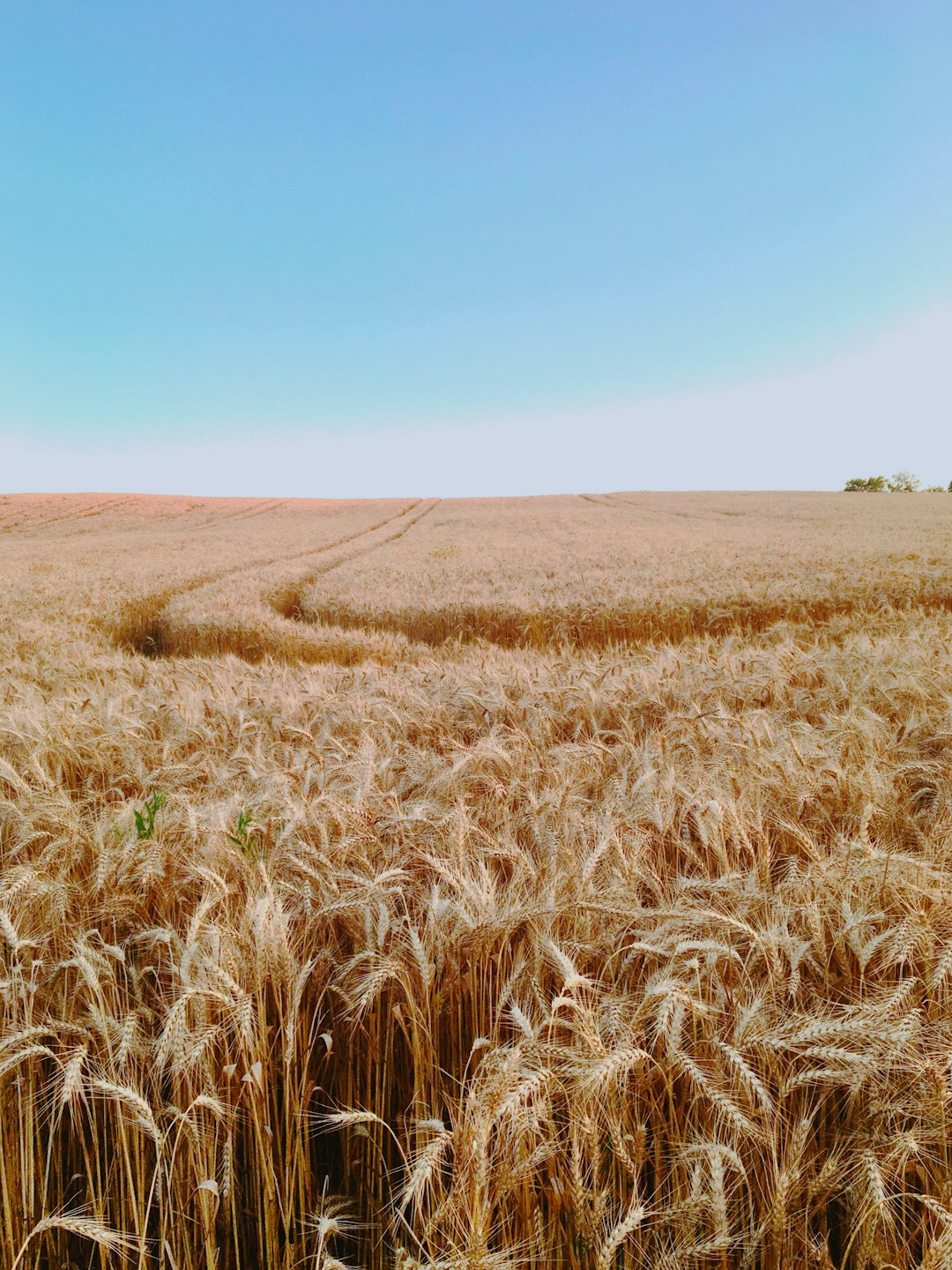
What the government announced
In a Press Information Department release dated 26 October, Federal Minister for National Food Security and Research Rana Tanveer Hussain said the government had fixed the wheat price at Rs4,500 per maund after consultations with all provincial governments. The same statement said the government intended to maintain strategic wheat reserves of up to six million tonnes during the current year.
The minister also said more than 1.3 million tonnes had been supplied to provinces from PASSCO stocks and that arrangements could be made to import up to 550,000 tonnes according to provincial requirements. These are figures and plans attributed to the government statement, not an independent audit of stocks or distribution.
Primary source: Press Information Department — Government fixes wheat price at Rs4,500 per maund, 26 October 2026.
Why the price announcement matters to farmers
A stated price can provide a reference point for farm planning, but farmers need clarity on the conditions attached to it: who will purchase wheat, in which locations, at what times, in what quantities and with which quality standards. A price announcement alone does not confirm that every farmer can sell every tonne at that rate.
Farmers should seek current written instructions from their provincial agriculture or food department and retain documentation for any official procurement transaction. The terms available locally may depend on the province and the operational details issued after the announcement.
Reserves and food availability
Strategic reserves can help authorities respond to supply disruptions, but their effectiveness depends on the quantity actually held, storage quality, rotation of stocks, release procedures and transparent accounting. The government’s statement says reserves of up to six million tonnes are planned; it should not be read as independent confirmation that this full amount is already stored and ready for release.
The announcement also says the government expects no wheat shortage this year. That is the minister’s stated assessment. Actual availability and prices should be evaluated against subsequent official stock data, provincial supply reports and market prices.
Questions that still need clear answers
- Implementation: Which departments and agencies will apply the announced price, and under what purchase conditions?
- Farmer access: Where can eligible growers sell, and what documents or quality checks will apply?
- Stock verification: How often will reserve levels and releases be reported publicly?
- Market monitoring: What evidence will authorities publish to support claims of hoarding, manipulation or artificial shortages?
- Provincial coordination: How will the federal policy align with provincial procurement, storage and distribution arrangements?
What growers can do now
Before making a production or sales decision based on the announcement, farmers should confirm the applicable instructions from their provincial department, local procurement centre or recognised farmer organisation. Keep records of seed, fertilizer, irrigation, labour and transport costs so the expected sale price can be compared with actual production expenses. This is general planning guidance, not a guarantee of profit or market price.
For related agricultural coverage, read Verity Pakistan’s guides on Punjab wheat sowing for 2026 and Rabi fertilizer supply and farmer checks.
Sources and further reading
- Press Information Department — National Wheat Policy and Rs4,500-per-maund announcement (26 October 2026)
- Pakistan Bureau of Statistics — official agricultural and price statistics
Editorial note: The price, reserve target and supply figures are attributed to the government’s announcement. The implementation questions above are analysis, not confirmed policy details.