

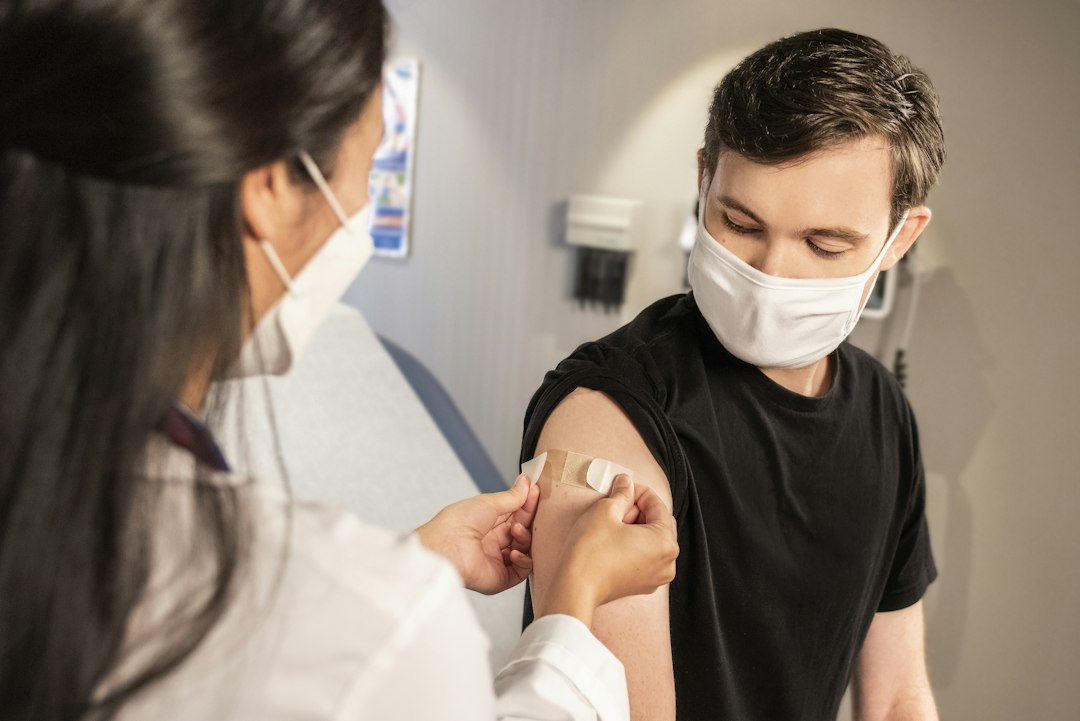
Pakistan’s National Institute of Health (NIH) has listed three nationwide public-health advisories for the 2026–27 winter period: seasonal influenza, the health hazards of smog and vaccine-preventable diseases. The notices matter to parents, schools, hospitals and provincial health departments because winter brings overlapping respiratory, air-quality and routine-immunisation challenges.
The announcement should be read carefully. It is a preparedness and prevention message, not evidence that a nationwide influenza emergency has been declared. The public summaries do not publish a forecast of case numbers, a province-by-province outbreak count or a quantified estimate of how many hospital beds will be needed.
What the three advisories cover
| Advisory | Main issue | Why it matters |
|---|---|---|
| Seasonal influenza 2026–27 | Prevention, surveillance and clinical preparedness | Respiratory illness can increase during the colder season. |
| Smog and health hazards | Exposure reduction and public awareness | Poor air quality can aggravate respiratory and cardiovascular problems. |
| Vaccine-preventable diseases | Routine and catch-up immunisation | Gaps in vaccination leave communities exposed to preventable infections. |
The NIH’s Centre for Disease Control has asked federal and provincial health authorities, hospitals and laboratories to strengthen disease surveillance, early detection, laboratory confirmation, standardised clinical management and hospital readiness. The public summaries also name measles, diphtheria, pertussis and tetanus as continuing vaccine-preventable disease concerns.
What the announcement does—and does not—tell the public
The advisories establish that the federal public-health institute wants a coordinated winter response. They do not, by themselves, show that every district is facing an outbreak, that a new mass vaccination campaign has started, or that a particular medicine should be taken by everyone.
They also do not replace provincial health instructions. Vaccination services, hospital arrangements and air-quality measures are implemented through federal and provincial systems. Residents should use the relevant provincial health department or public facility for local service details rather than assuming that one national announcement provides a district-level schedule.
What parents can check before winter illness spreads
A useful first step is to review the household’s routine immunisation records, especially children’s vaccination cards. If a dose appears to have been missed, contact the nearest government immunisation service or a qualified health professional to confirm the appropriate catch-up schedule. Do not repeat or skip doses based on a social-media chart.
- Keep children’s vaccination cards and previous health records in one place.
- Ask a recognised immunisation centre whether any routine dose is overdue.
- Follow school and local health-department notices when respiratory illness is reported.
- Encourage hand hygiene and sensible cough etiquette in shared spaces.
- Seek professional medical advice for persistent or worsening symptoms, particularly where breathing or underlying health conditions are a concern.
The NIH announcement does not publish vaccine-stock figures or a new national vaccination timetable. Families should therefore confirm availability and eligibility with the local immunisation service rather than relying on unverified claims about a special drive.
How smog changes the winter-health picture
Influenza and smog are different problems, even though both can affect breathing. Influenza is an infectious respiratory illness. Smog is a mixture of air pollutants that can irritate the airways and aggravate existing respiratory or cardiovascular conditions. A person exposed to polluted air is not automatically infected with influenza, and flu prevention does not remove the risks from poor air quality.
During periods of poor air quality, residents can reduce avoidable outdoor exposure, follow local air-quality and weather alerts, and take extra care when planning strenuous outdoor activity. People with asthma, heart disease or other chronic conditions should follow the plan agreed with their clinician. A face covering or air filter is not a substitute for medical care or for reducing exposure where that is possible.
For Lahore residents, Verity Pakistan’s Lahore smog and air-quality guide explains the difference between weather-related fog and measured particulate pollution. That distinction matters because a fog forecast is not an air-quality reading.
What schools, workplaces and hospitals should prepare
Schools and workplaces can make their response more useful by communicating clear illness-reporting procedures, encouraging people who are unwell to seek appropriate advice, maintaining clean shared spaces and following local public-health instructions. They should avoid circulating unverified claims about school closures, compulsory tests or medicine requirements unless an authorised department has announced them.
For health facilities, the NIH’s message is more operational: strengthen surveillance, identify suspected cases early, use laboratory confirmation where indicated, follow standard clinical protocols and prepare for possible increases in patient numbers. Provincial departments also need reliable communication between hospitals, laboratories and surveillance teams so that a change in disease patterns is identified quickly.
When a family should seek medical help
People should not try to diagnose influenza, pneumonia or a smog-related complication from a headline or a home test alone. Seek advice from a qualified clinician when symptoms are concerning or worsening. Severe difficulty breathing, chest pain, confusion, fainting or bluish lips require urgent medical attention. Children, older adults, pregnant people and those with chronic conditions may need earlier professional assessment.
Do not use antibiotics for a suspected viral infection unless a clinician identifies a reason to prescribe them. Do not start prescription medicines or change an existing treatment because of a general public-health advisory.
What information is still needed
The public should look for provincial updates on vaccination gaps, confirmed disease surveillance, laboratory capacity and hospital readiness. The national advisory list identifies the three new notices, but the public-facing summaries do not quantify the expected winter burden or report how many districts have completed the recommended preparedness steps. Those details should come from subsequent official reporting, not estimates made from the announcement alone.
The practical message is straightforward: check routine immunisation records, follow local air-quality and health alerts, and use qualified medical services when symptoms are serious. The advisories are a call to prepare early—not a reason to panic or self-medicate.
Official guidance: National Institute of Health — Public Health Bulletin advisories.