

Pakistan’s telecom regulator has renewed its warning against supplying internet bandwidth to unlicensed operators and distributors. At a meeting with licensed telecom companies in Islamabad on 12 November 2026, the Pakistan Telecommunication Authority (PTA) restated that Long Distance International (LDI) and Fixed Local Loop (FLL) licensees may supply bandwidth only to operators holding the appropriate PTA licence. It also highlighted a District Class Licence route for cable operators and last-mile service providers.
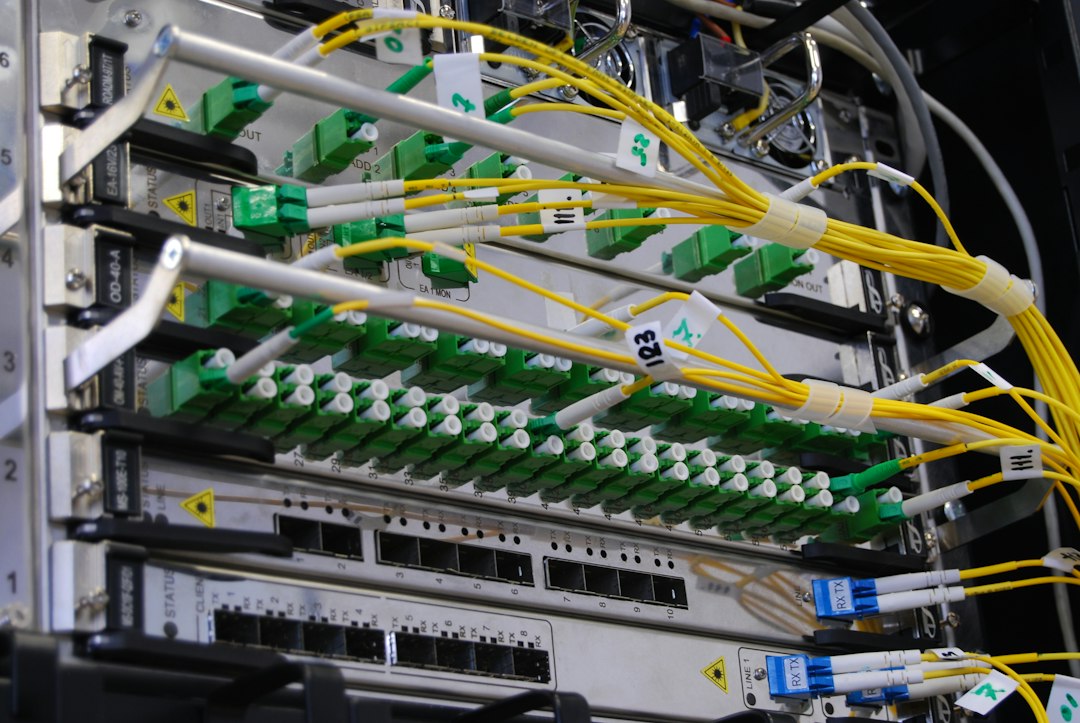
For home users, the announcement raises a reasonable question: could a local internet connection be disconnected because the company selling it is not properly licensed? The answer cannot be determined from a brand name or a social-media post. The licensing framework distinguishes between companies that carry or supply bandwidth in bulk and operators authorised to provide a retail service to end users. Customers should check the legal company behind their connection and ask how it is licensed before drawing conclusions.
What the PTA clarified
The meeting involved LDI, FLL and Class Value Added Services (CVAS) operators. The regulator reiterated that LDI and FLL licensees cannot supply IP bandwidth, panel services, E1 connections, Domestic Private Leased Circuits or similar services to unlicensed entities or distributors. The point is to prevent wholesale bandwidth from being passed through an unauthorised chain for resale.
The PTA also referred to the District Class Licence framework. Under the arrangement described by the regulator, eligible cable operators and last-mile service providers can obtain bandwidth from an FLL licensee. In other words, a local provider may be part of a lawful service chain if the relevant parties hold the required permissions and the wholesale supply takes place through an authorised operator.
The regulator further stated that Internet Services Class Licensees are allowed to serve end users but cannot act as wholesale bandwidth suppliers for resale to other parties. It said bills and receipts should be issued by the relevant FLL or Class Licensee, depending on the licensing arrangement.
Why the licence categories matter
Internet service is not always delivered by a single company from the international or national network all the way to a home router. A provider may purchase capacity from an upstream network operator, use local fibre or cable infrastructure and then manage customer accounts and support. The legal responsibilities depend on the licence held by each company and the role it performs.
An FLL licensee operates fixed-line telecommunications infrastructure within its authorised scope. An Internet Services Class Licensee provides internet access to end users within the terms of its licence. The District Class Licence gives eligible local cable and last-mile providers a route to obtain bandwidth from an FLL licensee. These categories are not interchangeable, and a company should be able to explain which legal entity is responsible for the service it sells.
Does the announcement mean local internet connections will be cut off?
The publicly reported summary of the PTA meeting does not name a list of household broadband providers facing disconnection, set a customer cut-off date or announce a blanket shutdown of local cable internet. It describes the regulator’s licensing requirements and its direction to licensed operators. That is not enough information to conclude that every small local provider is operating illegally or that customers should cancel their subscriptions.
It is equally unwise for a provider to dismiss the issue without explaining its licence arrangement. If a company sells a connection under a marketing name, the legal entity printed on the bill may be different. The customer needs to know which company is accountable for the service and which licence covers the activity being performed.
Four checks customers can make
- Read the bill carefully. Note the legal company name, address, tax or registration details, service description and contact information. A brand name alone may not identify the licensed entity.
- Ask for the licence category and number. Ask the provider whether it holds an FLL, Internet Services Class or District Class Licence, or whether it provides the last-mile service through an authorised FLL arrangement. Request the licence number and the district or region covered.
- Confirm who supplies the bandwidth. If the local provider is not the upstream FLL licensee, ask which licensed company supplies the bandwidth and how the arrangement is documented. A legitimate last-mile arrangement should not depend on an unexplained chain of resellers.
- Check who issues the receipt and handles complaints. The PTA has specifically emphasised that the bill or receipt must come from the relevant FLL or Class Licensee, as applicable. Keep the invoice and the provider’s complaint reference in case the service or billing arrangement is disputed.
What if the provider cannot explain its licence?
Ask for the information in writing rather than relying on a verbal assurance. Keep a copy of the latest bill, payment receipt, package details and any message from the company. If the provider gives a licence number, compare the legal name and authorised service area with the relevant PTA licence record. If the details do not match, seek clarification from the company and then use PTA’s official consumer channels.
For an ordinary service problem—such as a prolonged outage, misleading speed claims or a billing dispute—raise the issue with the provider first and retain its complaint number. If the matter remains unresolved, the PTA Complaint Management System is available for consumer complaints. A licensing question and a speed complaint are different issues, so describe the actual problem rather than assuming one proves the other.
What the new direction could mean for the broadband market
Clear licensing can protect customers from operators that disappear, provide no accountable billing entity or resell capacity without permission. It can also protect companies that have invested in compliant networks from competitors that avoid the same regulatory obligations. But enforcement must be predictable. If local providers are required to regularise their arrangements, they need clear guidance on the permitted wholesale and last-mile models, and customers need advance information about any genuine service change.
There is a wider public-interest issue. Pakistan’s digital services depend on reliable fixed broadband as well as mobile networks. Online payments, remote work, education, business communications and government services all become less dependable when local internet infrastructure is weak or unaccountable. Verity Pakistan has explained the growing role of digital payments in its guide to Pakistan’s cashless economy programme. A sound licensing framework should support reliable access, not leave consumers confused about who is responsible for the connection.
Official consumer channel: PTA Complaint Management System.